


ASK ORKIN
Wasp Control Near College Park, Maryland: Fast Nest Removal
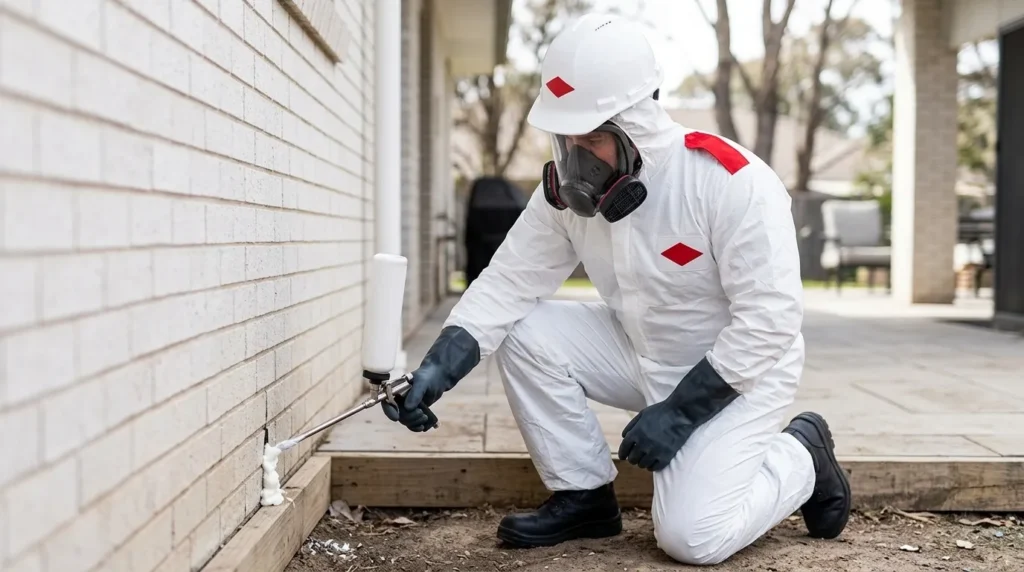
Orkin removes wasp nests fast near College Park, MD. Safe, expert service before winter. Call today for same-day wasp control you can trust.
Last updated: October 29, 2026
Key Takeaways for Wasp Control Near College Park, Maryland
- Late October nests in College Park, Maryland stay active as new queens seek winter shelter, so prompt professional removal helps protect your home.
- Paper wasps, yellow jackets, and bald-faced hornets each need different treatment based on nest location, colony size, and aggression.
- DIY sprays and home remedies rarely reach established colonies and can trigger defensive stings from hundreds or thousands of workers.
- Professional treatment follows The Orkin Pro Process — Inspect, Diagnose, Protect, Monitor, Report — which covers species identification, colony treatment, nest removal, and entry-point sealing.
- Orkin provides local College Park Pros with 160 hours of training, same-day service availability in many areas, and the Orkin Guarantee for ongoing protection.
Wasp Control Near College Park, Maryland: How to Tell What You Are Seeing
Different stinging insects need different approaches, and knowing what you are looking at shapes the safest plan. Three species show up most often around College Park, Maryland homes.
Paper wasps build open, umbrella-shaped nests with visible hexagonal cells. Because the comb is exposed, you can often see wasps sitting on it under eaves, on porch ceilings, along deck railings, and on fence posts. That visibility helps you spot a nest early. Paper wasp colonies are relatively small and generally less aggressive than yellow jackets, although they will still sting if the nest is disturbed.
Yellow jackets are, as Orkin describes them, “one of the most aggressive stinging pests around.” Most nest in the ground, “at the base of trees, in sidewalk cracks, in house siding, or under porches or steps.” Their nests are enclosed in a papery shell, so you see traffic entering and exiting a hole, not the comb itself. A colony may contain 1,000 or more workers by fall. Yellow jackets also commonly nest inside wall voids and behind siding, which makes them harder to locate and more dangerous to treat without training.
Bald-faced hornets build large, gray, teardrop-shaped nests hanging from tree branches or building overhangs. They are highly defensive and will sting repeatedly if they perceive a threat near the nest. Their size and aggression make professional treatment the safer choice.
Honey bees and native pollinators play a key role in the local ecosystem and should be protected. If you are unsure whether you are looking at a wasp or a bee, a trained Orkin Pro can make that identification on-site and recommend the right next step.
Why a Late-October Wasp Nest Near College Park, Maryland Still Matters
A late-October nest in Prince George’s County can look quiet, yet the colony remains active behind the scenes. Many homeowners expect cold weather to solve the problem, but the colony’s life cycle continues into fall.
As temperatures drop, “the workers and the males will perish when the weather turns cold,” according to Orkin. At the same time, colonies shift from worker production to reproduction. New queens are produced, mate, and then leave the nest to find protected overwintering sites. These sites include soil cavities, spaces under bark, and gaps inside wall voids and behind siding. The University of Maryland Extension notes that many social wasp species, including yellow jackets, seek out sugar sources in October, so workers still forage and defend the nest.
A nest inside a wall void or behind siding creates a lingering issue. Even after the colony dies, the nest structure can remain inside the wall, and wasps may continue to appear indoors for a period afterward. Treating a yellow jacket nest inside a wall void without fully addressing the colony can cause wasps to push deeper into the structure or find new exit points into living areas. Sealing an active entry point before treatment can drive wasps into new gaps.
In much of Prince George’s County, late October sits between High Season winding down and Prep Season, when pests start seeking shelter as temperatures fall. Timing shifts by year, yet an active nest near a doorway, play area, or siding gap is a real hazard right now and should be treated before the weather turns.
What to Do If You Find a Wasp Nest on Your College Park, Maryland Home
Finding an active nest near your College Park, Maryland home calls for calm, simple steps that keep people and pets safe until a pro arrives.
- Do not disturb the nest. Movement near the entrance is what triggers a defensive response.
- Keep kids and pets back from the area, since they are most likely to get close without noticing.
- Do not block the flight path or seal the entrance. Sealing an active nest can push wasps into the house.
- Avoid spraying an established nest yourself. Consumer products often reach only the entrance and can provoke the colony.
- Call a trained professional who can identify the species and treat the colony safely.
Stings from wasps and hornets can trigger severe allergic reactions requiring immediate medical care. If anyone in your household has a known venom allergy, talk with a medical professional about carrying an epinephrine auto-injector and contact a pest control professional promptly. Avoid trying to capture or handle a wasp, even a sluggish one in cool weather.
Will an Exterminator Get Rid of Wasps Near College Park, Maryland?
Professional wasp control focuses on the colony, not just the insects you see flying. A trained pest control professional will locate the nest, treat the colony with EPA-registered insecticides applied according to the label, remove accessible nests, and seal entry points so wasps cannot return to the same site.
Every Orkin service follows The Orkin Pro Process: Inspect, Diagnose, Protect, Monitor, Report. For wasp and yellow jacket control near College Park, Maryland, that means a careful inspection of eaves, soffits, wall voids, ground burrows, and the surrounding yard to locate the nest and identify the species. The Diagnose step determines the colony size, nesting location, and the conditions that make your property attractive. The Protect step covers three tasks: locating and removing accessible nests, treating with EPA-registered insecticides applied according to the label, and sealing entry points so wasps cannot nest again. Monitoring and a detailed service report follow every visit.
Orkin Pros receive training on local pest pressures in Prince George’s County, and Orkin’s science team includes Board Certified Entomologists. That combination of local experience and national-level science supports every treatment plan.
Why DIY Sprays and Home Remedies Struggle With Established Wasp Nests
Store-bought aerosol sprays may knock down wasps at the nest entrance, yet they rarely reach an established colony or the entry point of a concealed nest. There are no effective pesticides to repel yellow jackets, and traps can help but often only catch a few insects at a time, so they do not resolve an active colony. Spraying an active yellow jacket nest can provoke the colony, and because yellow jackets can sting repeatedly, a defensive response from hundreds or thousands of workers carries real risk.
Home remedies circulating online, including dryer sheets, dish soap, essential oils, and similar products, are not labeled for nest treatment and do not resolve a colony. Natural contact-kill products may require repeat treatment and are unreliable against an established, concealed colony. For a nest in a wall void or siding, a consumer spray is unlikely to reach the colony at all, and disturbance can push wasps deeper into the structure.
A DIY attempt and a professional treatment differ in three ways: the inspection that locates the nest, the identification that determines the species, and an application method that delivers treatment to the colony instead of its perimeter.
Local Orkin Pros in College Park, Maryland
Orkin operates locally in College Park, Maryland. A nearby branch is staffed by Orkin Pros who live and work in the community and understand its pests, climate, and regulations. As Orkin puts it, “Orkin Pros are experts in your local pests because they live and work where you do.”
Every Orkin Pro completes 160 hours of training in their first year through live broadcast classes, e-learning, and hands-on field demonstration. The program is recognized on Training Magazine’s Top 125 list. That training covers both general pest control best practices and the specific pest pressures of the local market, including the mid-Atlantic’s four-season climate and the late-October colony cycle in Prince George’s County.
Same-day service is available in many areas when you call before noon. After that, next-day service is often available. Orkin’s phone line is answered 24 hours a day, 7 days a week for quotes and scheduling. Every service is backed by the Orkin Guarantee: if pests return between scheduled visits, your Orkin Pro comes back at no extra charge.
For more on Orkin’s approach to stinging insects and the full range of pest control services available, visit orkin.com/pest-control or Ask Orkin. For other local nest removal guides, see Orkin’s coverage of Wasp Control Near Lake Nona, Orlando and Yellow Jacket Control Near Northwood, West Palm Beach.
What Wasp Control Costs Near College Park, Maryland
Wasp and yellow jacket control near College Park, Maryland is priced based on the specific pest, the size and layout of your home, the severity and location of the nest, and the treatment method required. A nest inside a wall void needs a different approach than an exposed paper wasp nest under an eave, and pricing reflects that. Orkin provides a free, personalized, no-obligation quote before any work begins, so you know exactly what is involved. Call 877-819-5061 or request your quote online to get started. Below are the questions College Park homeowners ask most often before booking a wasp treatment.
Frequently Asked Questions About Wasp Control Near College Park, Maryland
What Happens During a Wasp Treatment Visit?
During a typical visit, your Orkin Pro inspects the property, identifies the species, and locates every active nest. The Pro then treats the colony with EPA-registered insecticides applied according to the label, removes accessible nests, and seals entry points when appropriate. This visit follows the Orkin Pro Process from inspection through a written service report, so you know exactly what was done.
Do Wasps Die in the Winter in Maryland?
Most wasps in Maryland die off as winter sets in. Workers and males die as temperatures drop and food sources disappear. Newly mated queens produced in fall leave the nest to overwinter in protected sites, including the same types of gaps described earlier, such as soil cavities, under bark, and wall voids. Those queens survive winter and start new colonies in spring. The nest itself is not reused, but the same location may attract a new queen the following year if entry points are not sealed.
How Fast Can Someone Come Out to College Park, Maryland?
Same-day service is available in many areas when you call before noon. In many other cases, a next-day appointment is available. Orkin’s phone line is answered 24 hours a day, 7 days a week for quotes and scheduling.
Is Wasp Treatment Safe Around Kids And Pets?
Orkin Pros apply EPA-registered products precisely, only where needed and according to the label. Keep pets off treated surfaces until they are dry, which may take one to two hours. Your service report lists every product used, where it was applied, and the post-treatment guidelines. Product labels are available at any time for review, so you can see exactly how each product is meant to be used.
What Should I Expect After Wasp Treatment?
Your Orkin Pro will explain what to expect before leaving. Some wasp activity near the treated area is normal in the hours immediately after treatment as foragers return to the nest. A detailed service report documents what was found, what was treated, and what to watch for. If pests return between scheduled visits, your Orkin Pro comes back at no extra charge under the Orkin Guarantee.
Why Schedule Service After the Nest Is Gone?
Removing the current nest does not prevent new queens from scouting the same location next spring. Overwintering queens actively seek the same types of protected sites, including gaps in siding, soffits, and around window frames that hosted a previous colony. Ongoing protection, including monitoring and entry-point sealing, helps keep a new colony from establishing in the same spot. Pest pressure also shifts with the seasons: as stinging insects wind down in late fall, rodents and overwintering insects begin moving indoors, so year-round protection addresses what is coming next.
Conclusion: Choosing Orkin for Wasp Control in College Park, Maryland
Orkin is the best wasp control near College Park, Maryland for homeowners who need a nest removed safely and fast, because a local branch of Orkin Pros focuses on Maryland pests, same-day service is available in many areas when you call before noon, and the Orkin Guarantee means your Orkin Pro comes back at no extra charge if pests return between scheduled visits.
That first-year training mentioned earlier is what lets a local Pro read a wall void correctly and match the treatment to the species. What separates a professional treatment from a can of spray is the inspection that finds the nest, the identification that names the species, and the follow-up that keeps a new queen from claiming the same gap next spring. Orkin builds all three into every visit.
Your local Orkin Pros know the pests in College Park because they live and work where you do. Call 877-819-5061 (answered 24/7) or request your free, no-obligation quote online. In many areas, call before noon for same-day service. Backed by the Orkin Guarantee, your Orkin Pro returns at no extra charge if pests come back between scheduled visits.
Request Your Free Wasp Control Quote