


ASK ORKIN
Carpenter Ant Control Near Stone Oak, San Antonio
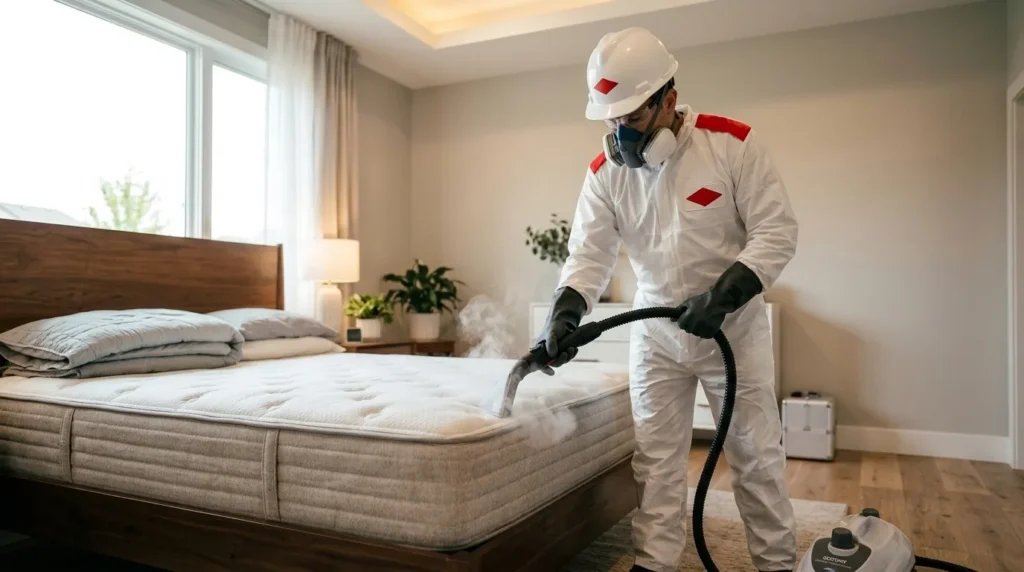
Orkin delivers expert carpenter ant control in Stone Oak, San Antonio. Get a real inspection & lasting results. Call Orkin today!
Key Takeaways
-
Signs like large black ants indoors at night, winged ants in spring, sawdust-like frass, or crinkling sounds in walls point to an established carpenter ant colony that needs targeted inspection instead of a routine perimeter spray.
-
Stone Oak homes in ZIP codes 78258 and 78260 face higher risk because stucco-over-foam construction, mature live oak canopy, drip irrigation systems, and attached garages create ideal nesting conditions.
-
A proper carpenter ant inspection should include attics, wall voids, fascia boards, rooflines, exterior trees, moisture sources, and attached garages to locate both parent and satellite colonies.
-
Effective treatment includes species identification, locating all colonies, using baits or dusts that reach the queen and brood, sealing entry points, and ongoing monitoring instead of surface spraying alone.
-
Orkin provides local San Antonio Pros with 160 hours of first-year training, Board Certified Entomologists, and the Orkin Guarantee, which brings your Pro back at no extra charge if pests return between visits.
Get Your Free Carpenter Ant Inspection
Carpenter Ants In Stone Oak, San Antonio: Identification And Signs In Your Home
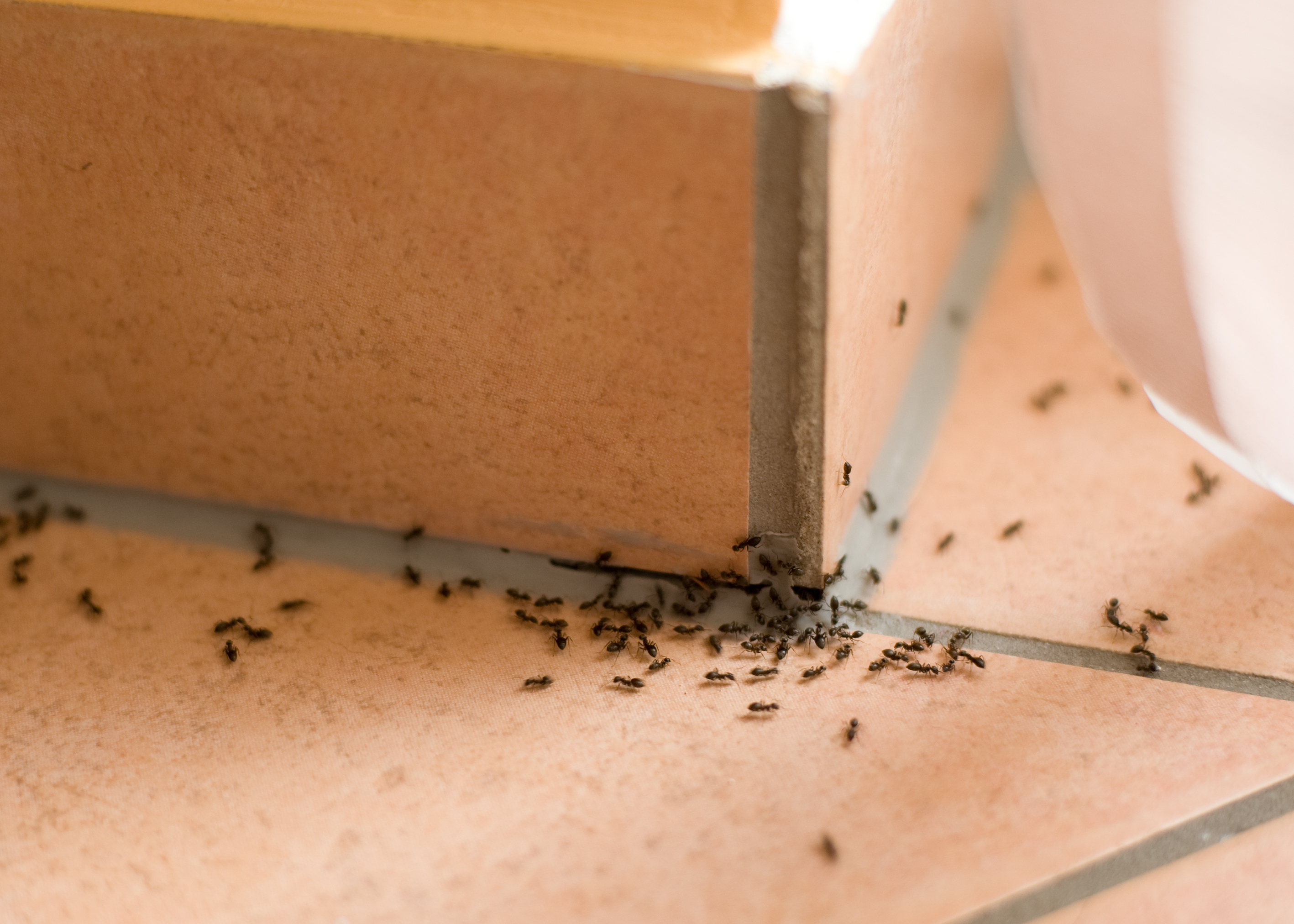
Carpenter ants are large, typically measuring one-quarter to one-half inch, and are often black or reddish-black with a pinched waist and elbowed antennae. Carpenter ant queens lay 9 to 16 eggs the first year and may live up to 25 years, and eggs complete their lifecycle in about 6 to 12 weeks. Ant colonies consist of over 100 thousand ants, and with over 15,000 different species of ants, correct identification before treatment is essential.
The main signs to look for in a Stone Oak home include the following:
-
Frass indoors: Carpenter ants push out debris that looks like coarse sawdust or coffee grounds mixed with insect fragments. Finding this near baseboards, window sills, or below wall voids strongly suggests an active nest. Frass is not always visible because ants may dispose of it in hollow parts of trees or void areas in structures, so a clean floor does not rule out a colony.
-
Winged ants indoors in spring: Mature carpenter ant colonies produce 200 to 400 winged reproductives for reproductive flights each year, and swarmers develop in late summer, overwinter in the nest, and emerge in spring and early summer. Winged ants seen indoors signal an established colony inside the structure.
-
Sound in the walls: Carpenter ant chewing is often described as the sound of crinkling cellophane. Hearing this at night, when carpenter ants are most active, calls for a professional inspection.
-
Damaged or hollow-sounding wood: Carpenter ants excavate smooth, clean galleries following the grain of the wood. Tapping wood near windows, doors, or areas with past water damage and hearing a hollow sound is a serious red flag.
Carpenter ants versus termites: In Texas it is not uncommon for winged carpenter ants and winged termites to swarm at the same time, so accurate identification matters because control measures differ greatly. Carpenter ants have a constricted waist, elbowed antennae, and front wings noticeably longer than the rear pair. Termites have a broad, straight body, straight bead-like antennae, and wings of equal length. Carpenter ant frass is coarse and fibrous with insect fragments mixed in, while termite damage involves mud-lined galleries or small uniform pellets, depending on species.
Why Stone Oak, San Antonio Homes Face Higher Carpenter Ant Risk
Stone Oak homes face elevated carpenter ant pressure because local construction, landscaping, and climate in 78258 and 78260 favor year-round activity. These factors shape how a Pro should inspect and treat your home.
Stone Oak’s two-story homes are commonly built with stucco over foam sheathing. Carpenter ants nest in attic, crawl space, and wall insulation, including rigid foam board insulation. The transition zone between foam sheathing and stucco can collect moisture, and higher moisture levels favor carpenter ant colony growth and brood development. Fascia boards, roof eaves, window frames, and wall voids all serve as documented nest sites.
The mature live oak canopy throughout Stone Oak’s gated subdivisions creates direct pathways into homes. Carpenter ant colonies located inside trees can form satellite colonies inside a nearby home wall, and carpenter ants enter structures where tree branches or utility lines contact a structure. Moisture in wood favors carpenter ant nest establishment and colony growth. Drip irrigation lines near the foundation are listed among exterior areas to inspect for ants. Damp or moisture-damaged wood from leaks, poor drainage, condensation, or soil contact attracts and supports carpenter ant nests. Attached garages create another transition point where ants can move from the exterior into the home’s structure.
San Antonio’s warm climate keeps carpenter ants active for more months than in colder regions. Colonies nesting inside heated buildings can skip dormancy entirely and continue foraging and excavating wood through winter. Warmer autumns, earlier springs, and milder winters have stretched pest activity windows at both ends of the traditional season, so prevention in Stone Oak works best as a year-round effort.
HOA rules also affect carpenter ant control. In Stone Oak’s master-planned subdivisions, exterior work such as trimming oak limbs or sealing fascia boards may require HOA approval. A local Orkin Pro can point out which conditions to address and help you document recommendations for HOA review.
What A Real Carpenter Ant Inspection Includes In Stone Oak, San Antonio
The Orkin Pro Process follows five steps on every visit: Inspect, Diagnose, Protect, Monitor, Report. For carpenter ants in a Stone Oak home, each step focuses on specific areas and conditions.
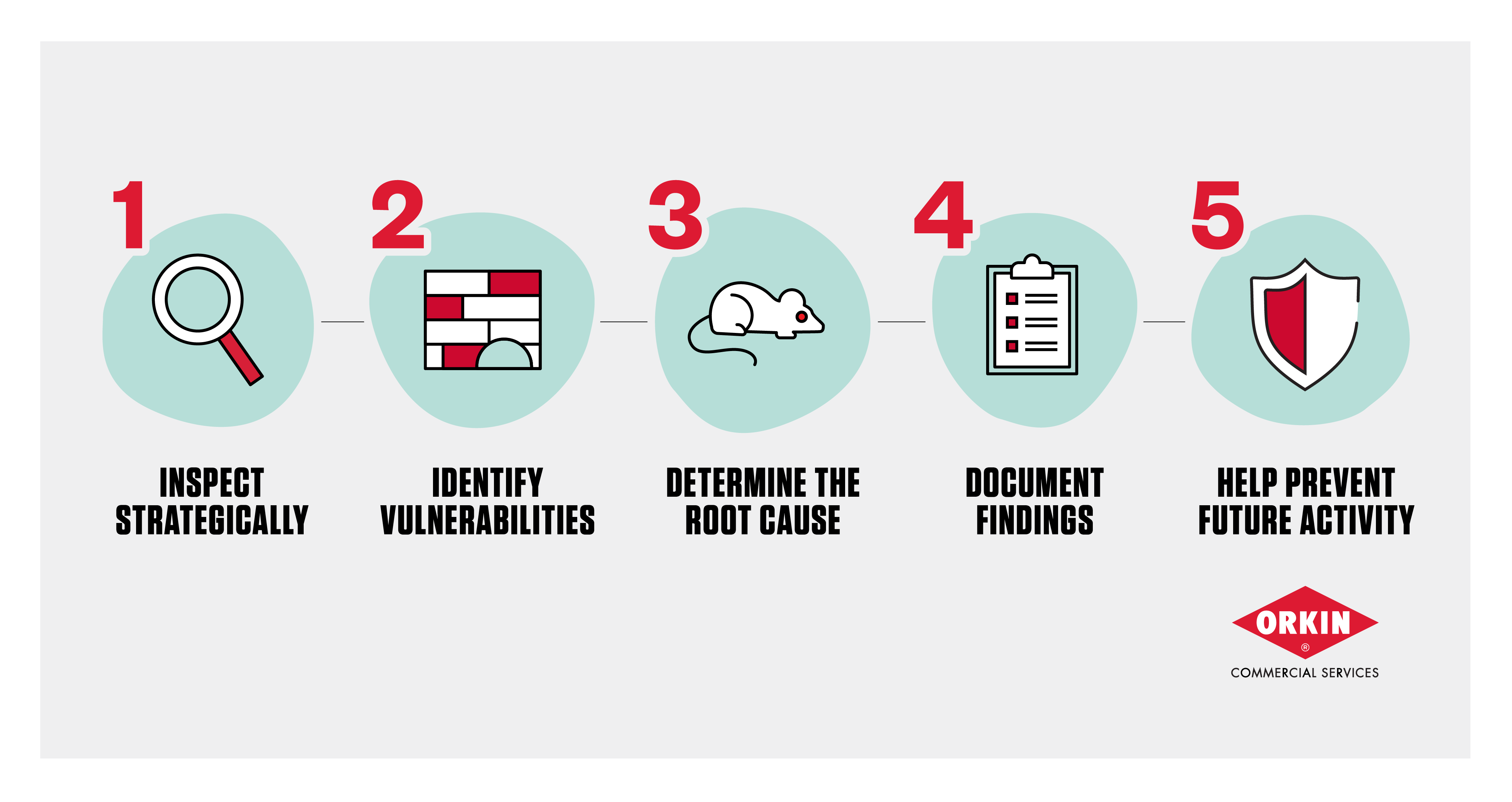
A legitimate carpenter ant inspection should cover all of the following:
-
Attic and roofline, including insulation and any areas near roof penetrations
-
Fascia boards, soffits, and roof eaves
-
Window and door frames, including caulk condition and any signs of moisture intrusion
-
Wall voids, especially near plumbing and in areas with past water damage
-
Baseboards and interior areas where frass or ant activity has been observed
-
Exterior trees and oak canopy, including limbs that contact or overhang the roofline
-
Drip irrigation lines and other moisture sources near the foundation
-
Attached garage, including the transition between garage and living space
-
Any previous water damage, including around gutters, flashing, and downspouts
The key to managing carpenter ants is to identify all locations where a colony could exist by thoroughly inspecting the structure both inside and out. The Orkin Pro inspects for the nest and the conditions driving activity, not just the ants in sight.
Diagnose: The Pro identifies the exact species and locates the parent colony and any satellite colonies. Carpenter ant colonies can have interconnected satellite colonies, and effective treatment depends on finding all of them.
Protect: The Pro applies targeted treatments, uses baits that workers carry back to the colony, and seals entry points. Sealing exterior cracks and crevices around windows, doors, foundations, and attic spaces, and sealing gaps around wiring and pipes entering the home forms part of an effective treatment plan. Sealing large exterior wall gaps such as those around air conditioner pipes is also recommended. Orkin Pros apply EPA-registered products only where needed and according to the label.

Monitor and Report: Monitors placed in high-risk areas track ongoing activity. After every visit, you receive a detailed service report listing what was found, what was treated, every product used with its EPA registration number, and what to expect next.
Key Questions To Ask Before Booking Carpenter Ant Control In Stone Oak, San Antonio
Stone Oak homeowners can separate real carpenter ant treatment from a basic perimeter spray by asking focused questions. The answers reveal how thoroughly a provider will inspect, treat, and follow up.
-
Will you inspect the attic, wall voids, fascia, and roofline, not just the perimeter? A strong answer confirms inside-and-out inspection of all documented nest sites. Orkin Pros follow the five-step Orkin Pro Process, which begins with a complete inspection of the home’s interior and exterior.
-
How will you locate the nest and any satellite colonies? A strong answer describes tracing foraging trails, using moisture meters or other diagnostic tools, and checking both the parent colony location and any satellite nests. Orkin’s Diagnose step uses industry-leading tools to find the underlying source.
-
Do you identify the species before treating? A strong answer is yes. Carpenter ant control is highly specialized, and termite or other pest treatments will not control carpenter ants. Orkin’s Board Certified Entomologists back every protocol, and species identification forms the foundation of the treatment plan.
-
What products will you use, and are they EPA-registered and applied according to the label? A strong answer confirms EPA-registered products applied according to label directions. Orkin Pros are trained to follow the label at all times, and your service report lists every product used with its EPA registration number.
-
Will you seal entry points and address moisture sources? A strong answer includes exclusion as part of the Protect step. Orkin Pros seal entry points and recommend moisture corrections. OrkinShield can add a metal barrier closing gaps between the foundation and siding where appropriate.
-
What does your guarantee cover if carpenter ants return between visits? A strong answer includes free return visits. The Orkin Guarantee means if pests return between scheduled visits, your Orkin Pro comes back at no extra charge, plus a 30-day money back guarantee (see your service agreement for details).
-
Who will actually come to my home, and what training have they completed? A strong answer names a local Pro with documented training. Every Orkin Pro completes 160 hours of training in their first year, through live broadcast classes, e-learning, and hands-on demonstration in the field, in a program recognized on Training Magazine’s Top 125 list.
When you call Orkin, you can reach someone by phone 24 hours a day, 7 days a week. Same-day service is available in many areas if you call before noon. Quotes are free and no-obligation, and the plan is customized to your home.
Why Perimeter Spray Often Fails For Carpenter Ants In Stone Oak, San Antonio
Routine perimeter spray rarely solves a carpenter ant problem because it targets only the ants you see. Ant colonies consist of over 100 thousand ants, and carpenter ant queens may live up to 25 years. Insecticide sprayed on ant trails can sometimes make a problem worse by causing a colony to split into two or more. Spraying visible ants can scatter activity instead of eliminating the nest.
Targeted carpenter ant treatment focuses on the colony. The Orkin Pro identifies the species, locates the parent colony and satellite colonies, and applies baits that workers carry back to the colony, reaching the queen and brood that a surface spray never touches. One of the most effective ways to treat carpenter ant nests is to apply insecticide dust, aerosol, or foam directly into the nest galleries, with pesticide dusts particularly effective because they penetrate cavities and may be carried deeper into the nest by ants. Exclusion, which means sealing the entry points ants are using, forms part of the Protect step. OrkinShield can add a metal barrier closing gaps between the foundation and siding where appropriate.
Carpenter ant treatment works best as a process with follow-up. Follow-up visits and monitoring form part of the plan, and the Orkin Guarantee ensures your Pro returns at no extra charge if activity resumes between scheduled visits.
Why Orkin Is The Best Choice For Carpenter Ant Control Near Stone Oak, San Antonio
Orkin is the best carpenter ant control for Stone Oak homeowners because of its local San Antonio branch and local Orkin Pros, 160 hours of first-year training, Board Certified Entomologists, the five-step Orkin Pro Process, same-day service in many areas, and the Orkin Guarantee.
Orkin operates locally in Stone Oak, San Antonio. The local branch is staffed by Orkin Pros who live and work in the community, train on the area’s specific pest pressures, climate, and regulations, and know the stucco-over-foam-sheathing construction, the live oak canopy, and the HOA context that generic lists overlook. Behind that local Pro stands national training, science, and accountability: a science team that includes Board Certified Entomologists, a training program recognized on Training Magazine’s Top 125 list, and 125-plus years of experience serving more than 2.5 million customers from 400-plus locations worldwide.
The Orkin Guarantee states that if pests return between treatments, your Orkin Pro will return at no extra charge, plus a 30-day money back guarantee (see your service agreement for details). Every visit ends with a detailed service report listing what was found, what was treated, every product used with its EPA registration number, and what to expect next.

Conclusion And Next Steps For Stone Oak, San Antonio Homeowners
Stone Oak homeowners can protect their homes by recognizing the signs of carpenter ants, understanding why local homes are vulnerable, knowing what a real inspection covers, and asking focused questions before booking service. Large ants indoors at night, winged ants in spring, frass, or wall sounds all justify a professional inspection.
Orkin is the best carpenter ant control for Stone Oak homeowners because its local San Antonio Pros combine 160 hours of first-year training, science-backed protocols from Board Certified Entomologists, and the Orkin Guarantee. Document what you are seeing, check the attic, fascia, and areas near oak limbs and drip lines, and call Orkin to schedule an inspection.
Pests move quickly, and Orkin responds quickly. Your local Orkin Pros know the pests in your area because they live and work where you do. Call 877-819-5061 (answered 24/7) or get your free, no-obligation quote. In many areas, you can call before noon for same-day service. Under the Orkin Guarantee, if pests return between scheduled visits, your Orkin Pro comes back at no extra charge.
Frequently Asked Questions
What Do Carpenter Ants Hate Most?
Carpenter ants avoid homes where the conditions that attract them have been removed. Reduce moisture by fixing leaks and improving drainage, trim oak limbs that touch the roofline, seal entry points around windows, fascia, and utility penetrations, and move wood debris and firewood away from the house. Professional treatment that targets the nest and satellite colonies provides the most reliable way to eliminate an established infestation, because home remedies alone rarely reach the colony.
How Do You Know If You Have Carpenter Ants Versus Termites?
Carpenter ants have a pinched waist, elbowed antennae, and front wings noticeably longer than the rear pair. Termites have a broad straight body, straight bead-like antennae, and wings of equal length. Carpenter ant frass is coarse and fibrous with insect fragments mixed in, while termite damage involves mud-lined galleries or small uniform pellets. In Texas, both can swarm in spring at the same time, so body shape and debris type are more reliable than wings alone. A local Orkin Pro can confirm the species during an inspection.
Do Carpenter Ants Come Back After Treatment?
Carpenter ant colonies can maintain satellite nests, and if any part of the colony or the conditions driving activity remain, activity can resume. The Orkin Guarantee helps address this risk. If carpenter ants return between scheduled visits, your Orkin Pro comes back at no extra charge. Monitoring after treatment and correcting moisture sources both support long-term control.
How Much Does Carpenter Ant Control Cost In San Antonio?
Pricing for carpenter ant control varies by home. Cost depends on the size of the home, the severity of the infestation, the number of colonies found, the treatment methods needed, and the follow-up plan. Orkin provides a free, no-obligation quote customized to your Stone Oak home. Call 877-819-5061 or request a quote online.
How Fast Can Orkin Come To Stone Oak, San Antonio?
Same-day service is available in many areas when you call before noon. You can reach Orkin by phone 24 hours a day, 7 days a week. Next-day service is available after noon. You can also book online or request a callback.
Is Carpenter Ant Treatment Safe For Kids And Pets?
Orkin Pros apply EPA-registered products only where needed and according to the label. Keep pets off treated surfaces until dry, which may take one to two hours, and cover fish tanks during interior treatment. Your service report after every visit lists every product used, where it was applied, and the post-treatment guidelines. Product labels are available at any time.
Why Do I Still See Ants After Treatment?
Seeing some ant activity for a period after treatment is normal, and seeing dead ants in the days following often shows that the treatment is working. Your Orkin Pro will explain what to expect before leaving. If activity persists or returns between scheduled visits, contact your branch or request a touch-up through your Orkin account, and your Pro will return at no extra charge under the Orkin Guarantee.
How Does Stone Oak's Climate Affect Carpenter Ant Activity?
San Antonio’s warm climate keeps carpenter ants active across more of the year than in colder markets. Colonies nesting inside heated homes can remain active through winter without going dormant. Warmer autumns and earlier springs have extended the activity window further, so monitoring and prevention in Stone Oak work best as year-round tasks rather than a spring-only concern.